
BLOG
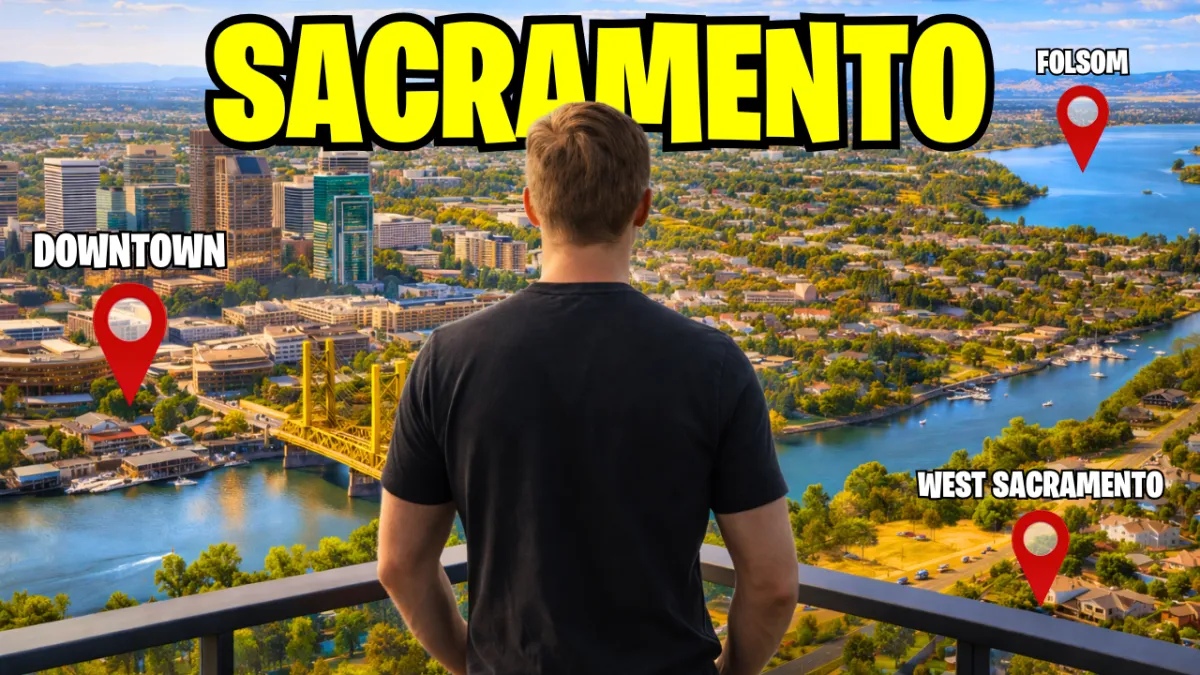
Moving to Sacramento 2026: Your Ultimate Relocation Guide
Sacramento in 2026 is no longer the sleepy state capital; it's a rapidly transforming metro attracting 20,000 new residents annually, especially from the Bay Area. We reveal the true cost of living, diverse neighborhood vibes, and essential day-to-day realities—from parking challenges to the tight-knit professional scene—to help you make a smart, informed move.
---
After helping countless individuals and families relocate to the greater Sacramento region every single week, we've learned that understanding the city's rapid evolution is crucial for a successful move. Moving to Sacramento California in 2026 means stepping into a city undergoing one of the most aggressive transformations locals have ever seen, attracting about 20,000 new residents annually.
In our experience, some people move here and it just clicks, while others quickly realize they weren't prepared for the day-to-day realities. We see firsthand what happens when somebody makes the right move and what happens when they rush in and guess their way through it. This market isn't the same as it was a few years ago; where you buy, what you pay, and how you position yourself all matter more than ever.
In this comprehensive guide, we'll break down Sacramento's unstoppable transformation, the unique lifestyle it offers, how to pick your ideal neighborhood, the unexpected realities of living here, and what to expect from the real estate market in 2026. We'll also help you determine if Sacramento is the right fit for your lifestyle and goals.
Sacramento's Unstoppable Transformation for 2026
Sacramento is no longer just a place you drive through; it's becoming its own vibrant, modern version of California living, intentional and distinct. For decades, Sacramento lived in San Francisco's shadow, but that's a completely different game in 2026.
The Bay Area migration that started during the pandemic hasn't stopped, bringing tech jobs, remote work culture, and expectations that Sacramento is rising to meet. In fact, you can learn more about this trend in Why Everyone In California is MOVING To Sacramento in 2026, which delves deeper into the forces driving this relocation.
Downtown Sacramento is experiencing a full-on renaissance. The Golden One Center transformed the entire downtown core, and that momentum continues with new mixed-use buildings and an exploding restaurant scene. Midtown is evolving into one of Northern California's most walkable and culturally vibrant neighborhoods. The riverfront along the Sacramento River has been completely reimagined with new developments, waterfront dining, and entertainment spaces, redefining urban living. Even Old Sacramento is finally being integrated into the downtown in ways that truly serve its residents, not just for aesthetics.
Sacramento is becoming a serious player in California's economy. While state government remains its foundation, thriving tech companies, healthcare hubs around UC Davis Medical Center and Kaiser at the rail yards, and a creative class are choosing Sacramento intentionally. Transportation infrastructure is also improving, with expanding bike lanes throughout the grid and better light rail access, making downtown genuinely walkable in ways it never was before.

A vibrant city sign in downtown Sacramento
The Sacramento Lifestyle: Options Without the Chaos
Living in Sacramento means you have real options, offering a balanced, active, culturally diverse life without the chaos and cost that define most of California. We often hear from clients how different their day-to-day feels here. Imagine morning coffee at a local roaster in Midtown or East Sac, a midday work session from a co-working space downtown, or even working from any outdoor patio because the weather is perfect nine months out of the year.
Evenings can bring live music, farmers markets, the farm-to-fork dining Sacramento pioneered, or a spontaneous bike ride along the American River Parkway. We recently had an impromptu date night in Midtown, and it truly highlighted how much the city has changed. One weekend you're hitting a brunch spot on your street, the next you're at the farmers markets under the freeway (which is way cooler than it sounds). Weekends after that, you can drive 90 minutes and be shredding the slopes in Lake Tahoe. That's what makes Sacramento different.
Sacramento isn't just a destination; it's a launchpad. You're two hours from San Francisco, two hours from Tahoe, and an hour from Napa. You get to live here for half the cost of some neighboring cities, all while having access to everything Northern California has to offer. People often overlook Sacramento's food scene, but it's one of the most underrated food cities on the entire West Coast. From high-end restaurants downtown to authentic international cuisine (thanks to the city's incredible diversity) and a serious craft beer and coffee culture, you'll find it all. Plus, you can actually get reservations without planning three weeks ahead.
Picking Your Perfect Sacramento Neighborhood
Choosing the right neighborhood is probably the next big priority once you've decided Sacramento is for you. We always preach matching the area to the lifestyle you want, not just what you see on Zillow. Sacramento isn't just one place; it's a collection of micro-lifestyles that make up the greater Sacramento metro.
Downtown & Midtown: If you want full city energy, this is it. Urban, walkable, culture-packed, with high-rise living, grid streets, rooftop bars, galleries, live music, and restaurants. You can walk, bike, or scooter to everything.
East Sacramento: This area offers classic Sacramento charm with tree-lined streets, the historic Fab 40s, walkability, and some pretty killer public schools. You'll find character homes, close proximity to McKinley Park, and a strong community. It can be a bit pricey, but residents rarely leave.
Land Park & Curtis Park: Both are family-friendly with a suburban-in-the-city vibe. William Land Park features the zoo, beautiful older homes, quiet streets, and a nine-hole golf course, perfect for young families who want downtown access and quick weekend brunches. Smaller Midtown neighborhoods like Alhambra Triangle, Boulevard Park, and Elmhurst offer walkability and charm without full downtown pricing, appealing to young professionals and medical workers.
Branching outside the immediate city, we move into the suburbs:
Natomas: One of the most affordable entry points in Sacramento proper. It features newer construction, growing amenities, and close proximity to the airport and downtown. It's a developing value player for first-time home buyers.
Elk Grove: A major growth engine on the south side of Sacramento. You'll find master-planned communities, top-rated schools, newer homes, and a strong family vibe. A massive wave of buyers is landing here for space, value, and newer construction without a premium price tag.
Folsom, El Dorado Hills, & Granite Bay (East): These suburbs come with a higher price point but offer significant lifestyle perks. You'll find newer homes, resort-style amenities, close proximity to Folsom Lake and Lake Natoma, and strong school districts. Buyers here seek suburban comfort mixed with outdoor recreation.
Roseville & Rocklin (East): Located about 25 minutes east of downtown Sacramento, both are extremely family-friendly. They offer access to high-quality shopping, dining, and established community infrastructure. Each has its own identity, strong school districts, and are very popular with out-of-state relocators. For a deeper dive, check out [Mapping Your Move To Roseville CA [Everything You Need To Know About This Sacramento Suburb!]](https://www.youtube.com/watch?v=zG2bsjCyK-U).
The Unspoken Realities of Sacramento Living
While Sacramento offers incredible perks, there are day-to-day realities that don't always make the highlight reel. These are the things you'll feel once you're unpacking boxes and truly living here.
First up is parking. Downtown and Midtown parking is straight up annoying. Street parking is limited, meters are everywhere, and residential parking permit zones are common. If you're living in a historic neighborhood without a driveway, you'll find yourself circling blocks at 9:00 p.m. looking for a spot. It's just part of the deal of living downtown.
Another thing that catches people off guard is how much bigger the city is than they realize. Sacramento isn't just the downtown core with a few suburbs scattered around; it's a sprawling metro. It takes about 45 minutes to cross from one side of Sacramento all the way out to Folsom or Roseville. Going from Rocklin down to Elk Grove can be an hour-plus drive depending on traffic. So, when choosing where to live, consider where you'll be spending your time, as distance matters here, especially if you're commuting.

Cars driving on a busy Sacramento road during the day
If you're single, the dating and social scene requires some strategy. Sacramento's scene is smaller than what you might expect coming from a bigger city like LA or the Bay Area. It's not impossible, but the pool can feel limited pretty fast. Most people meet through mutual friends, hobbies, outdoor recreational activities, leagues, and, of course, apps. You have to be intentional about putting yourself out there.
The professional landscape in Sacramento is tight-knit. With state government dominating the economy, everybody knows everybody in certain industries. This can be a good thing once you tap into the right market, as doors can open fast with the right connections. However, if you burn bridges, word travels quickly; your reputation matters more here than in a massive, anonymous city.
You might also miss certain conveniences. Late-night food options are pretty limited compared to bigger cities, and public transit doesn't run 24/7. If you're coming from somewhere with a true urban infrastructure that never sleeps, Sacramento might feel half-built in certain areas. It's improving, but it's not there yet.
Finally, there's the seasonal swing, which affects the entire vibe of the city. Summer in Sacramento is energetic, with outdoor events everywhere, people active, and the city feeling alive. But winter slows things down considerably, with fewer events and people hunkering down indoors. If you struggle with seasonal rhythms, you'll notice it here. Sacramento's hidden gems also take time to find. The coolest coffee shop might be in a strip mall, the best taco truck moves locations, and local swimming holes along the American River aren't on Google Maps. You have to live here and tap into the community to unlock all of that. Sacramento rewards those who actively engage with it, explore, and put in the effort to build connections.
Understanding Sacramento's Real Estate Market in 2026
Sacramento real estate isn't cheap, but it still offers one of the best values in California if you know where to look and approach it with a strategic mindset. The median home price in Sacramento currently sits between $470,000 to $525,000. For 2026, forecasts project 3-5% growth, potentially pushing the median closer to $565,000 next year. This represents steady appreciation for those playing the long game.
Entry-level homes in Natomas or North Sacramento might be in the $450,000 to $500,000 range, typically for older construction or developing neighborhood properties. The real action starts in the $500,000 to $700,000 range, offering solid homes in good neighborhoods with proximity to amenities, strong schools, and appreciation potential. If you're eyeing downtown or East Sacramento, you're looking at premium pricing, typically $650,000 and up for historic homes or modern condos with genuine walkability. Midtown is in a similar range but often involves smaller lots and character homes that may need updates to meet 2026 standards.
For families, the wave of buyers is heading to Elk Grove, Folsom, Roseville, and Rocklin. Here, you're looking at $600,000 to $800,000 for newer construction in master-planned communities like West Park, Folsom Ranch, or even areas in Rancho Cordova. These communities often have HOAs (and sometimes Mello-Roos), solid schools, and all the suburban amenities you can imagine. If you push further into Folsom and El Dorado Hills, you'll likely hit a median of $775,000 or more in Folsom alone, but you're paying for lake proximity, newer development, and the associated lifestyle. For more on new construction, see [Insane SACRAMENTO California New Homes For Less Than You'd Think! [Roseville CA]](https://www.youtube.com/watch?v=jI-ki8g83fM).
When considering new construction versus resale, new builds offer modern layouts, energy efficiency, and lower maintenance headaches, but often come with HOA fees and Mello-Roos, adding hundreds to your monthly cost. Older homes might save you money upfront but frequently need updates to HVAC systems, windows, or landscaping. Mortgage rates in 2026 are averaging between 6-6.4%, with projections to drop closer to 6.1% later in the year, which can significantly impact affordability.
We consistently see buyers make the mistake of choosing a price point instead of a location strategy. A $500,000 home in Natomas is a completely different investment and lifestyle than a $600,000 home in East Sacramento or Elk Grove. You must think long-term. Sacramento isn't bargain basement pricing anymore, but it's a smart strategic move for buyers who understand the market and move with clear intention.
Who Thrives (and Struggles) When Moving to Sacramento?
Sacramento isn't a one-size-fits-all move, but when you land in the right pocket that matches your lifestyle, people absolutely fall in love with this place. So, who's truly thriving here in 2026?
Who Thrives in Sacramento:
Bay Area Refugees: Tired of paying $1.5 million for a median home in San Francisco, they seek career opportunities, California weather, and their money to go further. Sacramento delivers all three without the insanity.
Remote & Hybrid Professionals: They desire year-round outdoor living and nature access without sacrificing urban amenities or career growth. Sacramento offers the best of both worlds.
Families: Those who value strong schools, safe neighborhoods, and actual space between neighbors, but don't want to be completely isolated from culture and opportunity.
Proximity Valuers: People who appreciate being two hours from Tahoe, two hours from San Francisco, and an hour from Napa. It's an unmatched launchpad for Northern California.
Smart Buyers Looking for Appreciation Potential: Sacramento's steady growth, continued migration, and economic diversification make it a legitimate long-term play.
Who Might Struggle in Sacramento:
Ultra-Low-Cost Living Seekers: Sacramento is affordable for California, but we're not talking Texas or Florida pricing. Set your expectations accordingly.
Heat Haters: Sacramento summers will test your patience, with 100-degree days sometimes lasting two to two and a half weeks on end.
Car-Free Lifestyle Seekers: While improving, you still need a car for many things. If you expect a walkable-only lifestyle like New York or San Francisco, you'll be disappointed.
Coastal Vibe Seekers: The coast is two hours away; Sacramento is not a beach town.
Ultimately, Sacramento works for people who move here with intention, understanding that they've done their homework and know exactly what they're getting into. It doesn't work for those just chasing the lowest price tag without a plan or strategy.
Key Takeaways
Sacramento's Rapid Growth: The city is undergoing an aggressive transformation, attracting approximately 20,000 new residents annually, primarily from the Bay Area, driving economic and cultural shifts.
Diverse Lifestyle Options: Sacramento offers a balanced lifestyle with urban, suburban, and outdoor recreational opportunities. It acts as a launchpad to Tahoe, San Francisco, and Napa, all within a two-hour drive, at a significantly lower cost than neighboring major cities.
Neighborhood Matters Most: Choosing the right neighborhood is critical, with options ranging from walkable urban centers like Midtown (median: $650K+) to family-friendly suburbs like Elk Grove and Roseville (median: $600K-$800K), each offering distinct lifestyles and amenities.
Real Estate Market & Value: The median home price in Sacramento is $470,000-$525,000, with a projected 3-5% growth for 2026, potentially reaching $565,000. While not a bargain, it remains a strategic investment for long-term buyers who prioritize location strategy over just price point.
Unspoken Realities: New residents should prepare for parking challenges in urban cores, the sprawling nature of the metro area requiring a car, a tight-knit social and professional network, limited late-night conveniences, and distinct seasonal shifts in city activity.
Frequently Asked Questions (FAQ)
Q: Is Sacramento a good place to live for families in 2026?
A: Absolutely. Sacramento is an excellent choice for families in 2026, especially in areas like Elk Grove, Folsom, Roseville, and Rocklin. These suburbs offer master-planned communities, top-rated schools, newer homes, and strong family-oriented vibes. We often highlight the proximity to outdoor recreation like Folsom Lake and the strong community infrastructure in these areas as major draws for families seeking space and value.
Q: What is the cost of living in Sacramento compared to the Bay Area?
A: The cost of living in Sacramento is significantly lower than the Bay Area, particularly in housing. While the median home price in Sacramento is between $470,000-$525,000 (projected to $565,000 in 2026), the video notes that Bay Area refugees are tired of paying $1.5 million for a median home in San Francisco. You get substantially more home and land for your money here, making it a compelling option for those seeking California living without the extreme price tag.
Q: What are the biggest challenges of moving to Sacramento in 2026?
A: Based on our observations, the biggest challenges include adjusting to parking difficulties in downtown/Midtown, understanding the sprawling nature of the metro (which means longer commutes if you don't choose your location wisely), navigating a smaller, more tight-knit dating/social scene, and adapting to the seasonal weather, particularly the long, hot summers with 100-degree days. It's a city that rewards active engagement rather than immediate gratification.
Q: Do I need a car to live in Sacramento?
A: While Sacramento is improving its walkability, especially in areas like Midtown, and expanding its bike lanes and light rail, you will still need a car for many things. The metro is sprawling, and public transit doesn't run 24/7. If you're coming from a city with true urban infrastructure where you can rely solely on public transport or walking, Sacramento will feel different, and a car will be essential for convenience and accessing all the region has to offer.
Q: What are the job opportunities like in Sacramento for 2026?
A: Sacramento's job market in 2026 is diversifying beyond its foundation in state government. We're seeing thriving tech companies, significant growth in healthcare hubs around UC Davis Medical Center and Kaiser at the rail yards, and an expanding creative class. The influx of remote workers and hybrid professionals from the Bay Area is also bringing new industries and a different work culture, making the professional landscape tight-knit but ripe with opportunity if you build the right connections.
---
Watch the Full Video
For more insights, watch the complete video: Moving To Sacramento California (2026): What You NEED To Know BEFORE Living In Sacramento California
---
Making Your Move Easier
Moving forward does not have to be overwhelming. With the right guidance and support, you can navigate this journey smoothly. with us here is ready to help you every step of the way.
Here's how to get in touch:
📧 Email: [email protected]
📞 Phone: 916-644-0661
💻 YouTube: Living In Sacramento California

Get In Touch With Us
DOWNLOAD OUR APP
⬇️ (Scan QR Code Or Tap Image) ⬇️


Our Services
Single Family (Buyer & Sellers)
Relocation
New Construction
Multi Family
Commercial
Condos
Vacant Land